
Historical Features
By CDR (SEAL) Tom Hawkins, USN (Ret.)
The Battle of Mogadishu
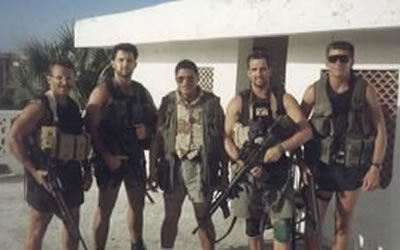
In August, 1993, four SEAL snipers from SEAL Team Six and their commanding officer, Captain Eric Olson, supported Task Force Ranger; an operation in Somalia, Africa that was focused on capturing the warlord Mohamed Farrah Aidid, who had been attacking UN supply convoys and food distribution centers.
Japanese First Surrender to UDT Naked Warriors
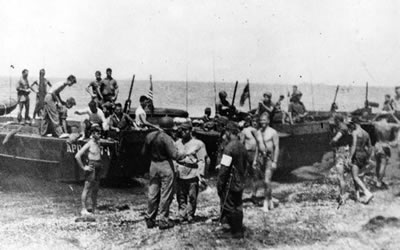
On 10 August 1945, after President Truman gave the order to drop two atomic bombs on Japan, the Japanese openly sued for peace. On 15 August, UDT-18 and UDT-21 boarded C-54 transport planes to Guam and follow-on transport to Toyoko, where they joined the U.S. Third Fleet.
The Greatest Rescue Mission in Navy SEAL History
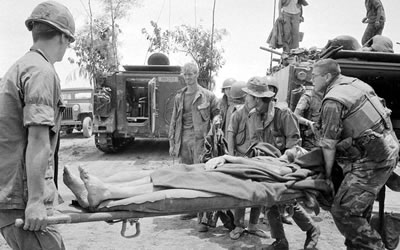
In the first week of April, Tom Norris was tasked with recovering two pilots shot down over enemy occupied territory in Quang Tri Province, the northern most province of South Vietnam (Adjacent to North Vietnam and the established Demilitarized Zone (DMZ).

Operation Thunderhead
The Last SEAL Team Mission of the Vietnam War
In April 1972, a UDT-SEAL Team detachment left Subic Bay in the Philippine Islands aboard the submarine USS Grayback (LPSS-574), which had been modified to support Underwater Demolition Team (UDT) and SEAL Team capabilities.

Saving Jessica Buchanan
Somalia East Africa – The Men You Don’t See
Under cover of darkness on the night of 25 January 2012, U.S. Navy SEALs jumped into the abyss of a very dark night sky at a very high altitude. After in-air maneuvers, they deployed parachutes and landed in East Africa several miles from the small town of Adow.

Korea December 1950
UDT-3 Destroys Hungnam Harbor
On Christmas Eve 1950, United Nations forces had reached the Yalu River, which served as the border with China. Their operation resulted in the largest single blast to be set off during the Korean War and the largest non-nuclear blast since WWII.
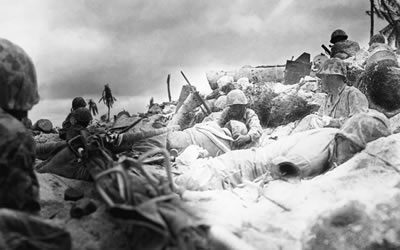
Pearl Harbor and the Underwater Demolition Teams
On 7 December 1941, Japan launched a surprise attack on the American naval base at Pearl Harbor, Hawaii, killing over 2,400 Americans and severely damaging or destroying 19 U.S. Navy ships. The Japanese attack is still taught to most high-school students.
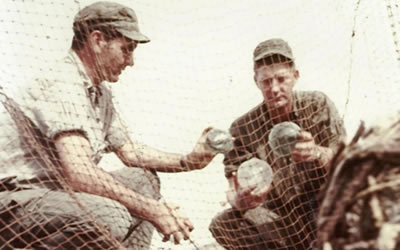
Korea – September 1952
Operation FISHNET
During August and September 1952, UDT-3 and UDT-5 participated in Operation FISHNET (UDT-5 operated aboard USS Diachenko (APD-123). Operation FISHNET was aimed to reduce North Korea’s food supplies by destroying vast fields of fishing nets.
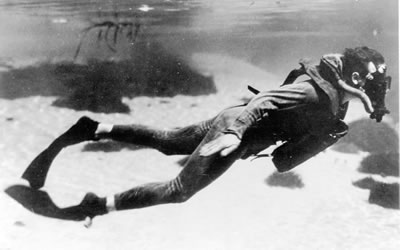
Navy SEAL FROGMEN
In January 1962, the U.S. Navy’s SEAL Teams were established, yet to this day, SEALs often refer to themselves as Frogmen. How, then, has this come about? During World War II, the Naval Combat Demolition Units (NCDUs), training in Fort Pierce, Florida for the Normandy Invasion, referred to themselves as “Demolitioneers.”
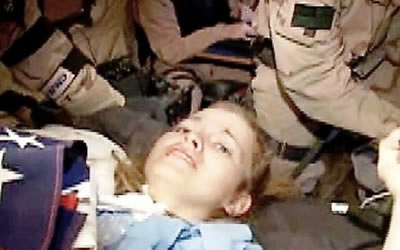
Saving Jessica Lynch
On the night of 1 April 2003, a well-planned rescue operation was led by U.S. Navy SEALs. The mission included U.S. Army Rangers, U.S. Marines, USAF Pararescuemen (PJs), the Army’s 160th Special Operations Aviation Regiment. The goal was to get Jessica Lynch out safely without any casualties.
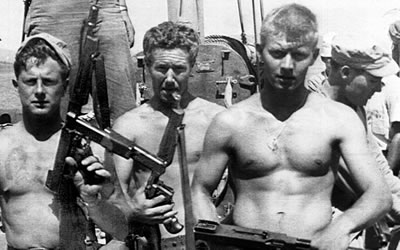
Korean War – August 1950
On 23 June 1950, U.N. observers inspecting the border area between North and South Korea saw nothing amiss. In a stunning surprise just two days later on the 25th of June, the full force of the Korean People’s Army (KPA) crossed the 38th parallel and declared war on South Korea.
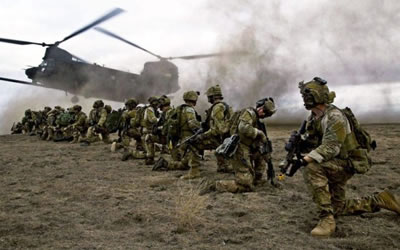
Navy SEALs and Extortion 17
On 6 August 2011, the shooting down of a U.S. Army CH-47D Chinook helicopter, call sign “Extortion 17” (pronounced “One Seven”), resulted in the single deadliest incident involving the U.S. military during the war in Afghanistan.
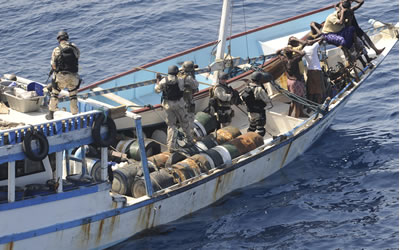
Navy SEALs and the 1990 Gulf War
On 2 August 1990, Iraqi President Saddam Hussein’s military forces invaded Kuwait, resulting in the deployment of a 33-nation coalition to stem Iraq’s aggression
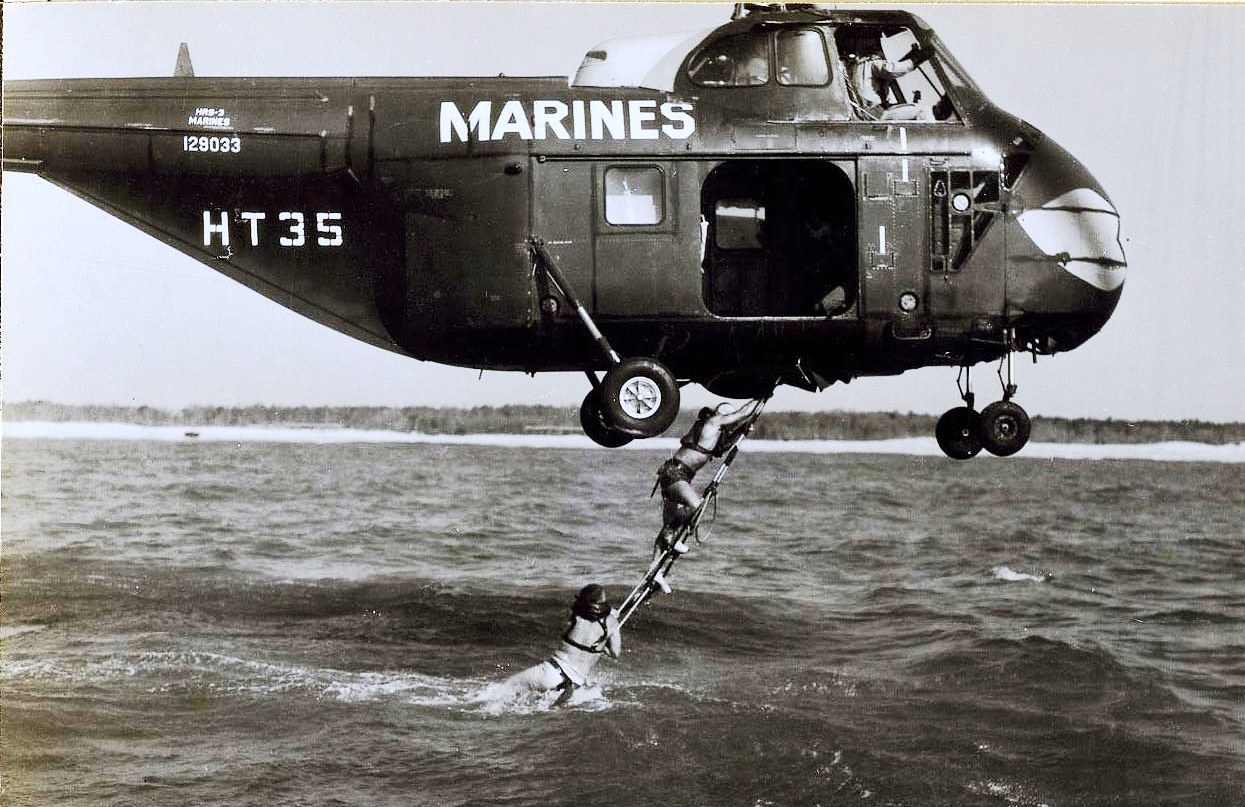
The Teams
Korea and Early 1960s. The underpinning of a SEAL team concept actually began to materialize with UDT operations during the Korean War.
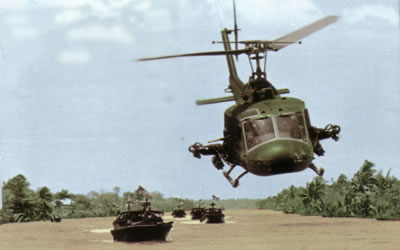
U.S. Navy “Seawolves” South Vietnam 1966-1972
Most Decorated Navy Squadron of the Vietnam War. The Navy SEAL Museum has undertaken a project to refurbish a Bell UH-1B “Seawolves” helicopter

Combatant Submersibles – Part III
Under Naval Sea Systems Command (NAVSEA) direction, the Navy’s research and development laboratory in Panama City, Florida was tasked to develop specifications for acquisition of the SDVs.
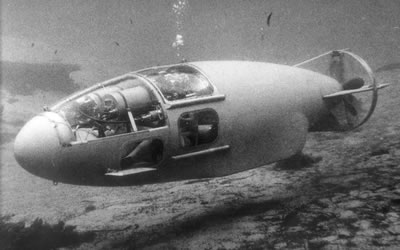
Combatant Submersibles – Part II
A Photographic History: 1947 – 1960. The Winter 2022 edition of Fire in the Hole outlined the World War II period surrounding development and employment of combatant submersibles

Combatant Submersibles – Part I
The combatant submersible was one of the most potent weapons of war developed in the 20th century. In retrospect, it is an extremely old form of naval warfare with the first, although unsuccessful, attack being launched in 1776 in colonial America against the British.
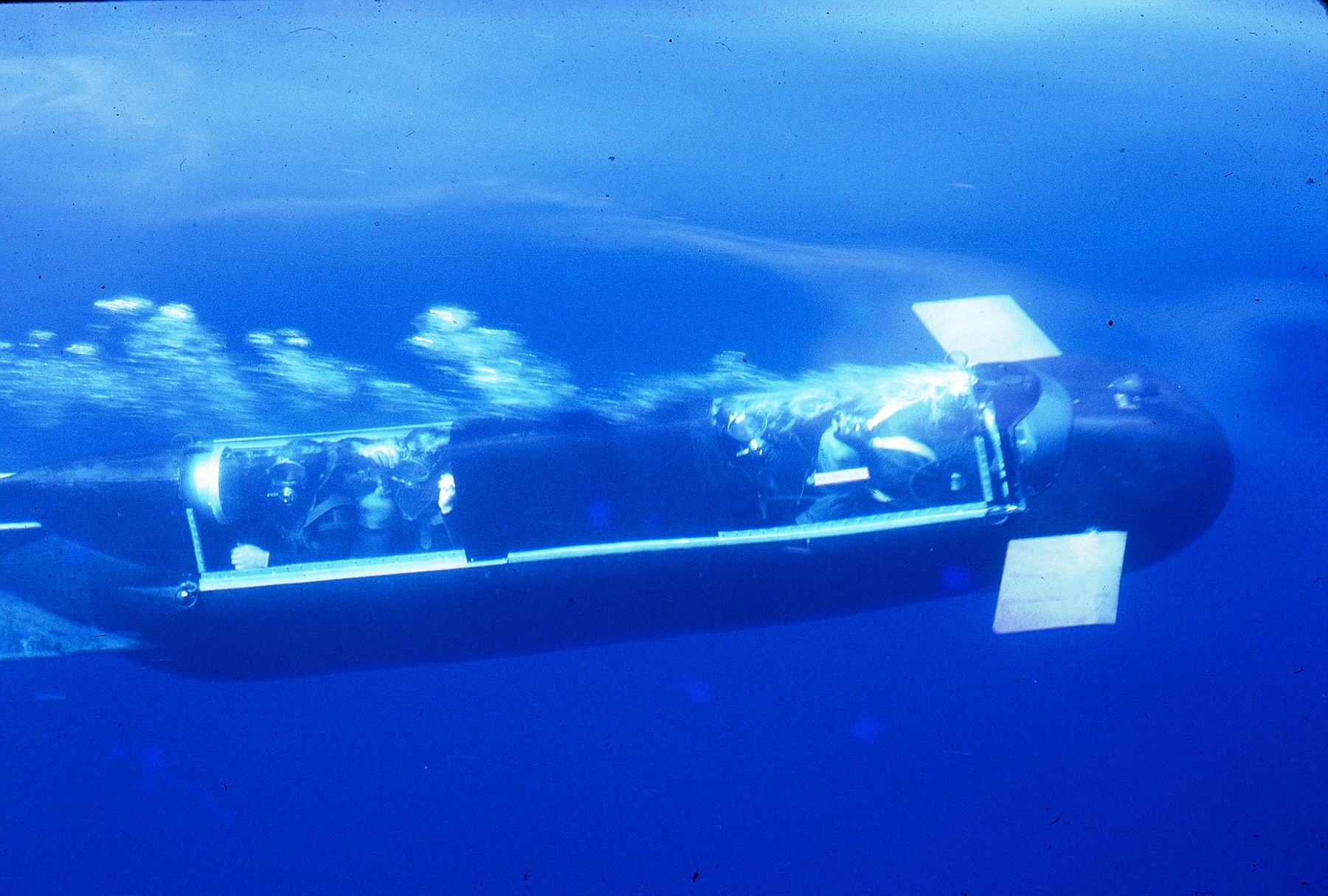
SEAL Delivery Vehicle Teams
Operations and Innovations. In a Navy Training Plan (NTP) developed the 1970s in parallel with major Naval Special Warfare development programs
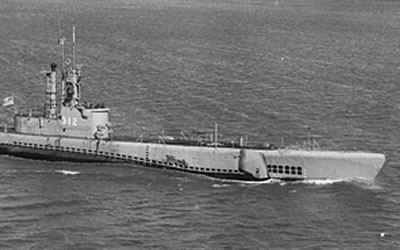
USS Burrfish – UDT Special-Mission Group
This collection of papers described the Third-War Patrol of the submarine USS Burrfish (SS-312), which occurred during July and August 1944
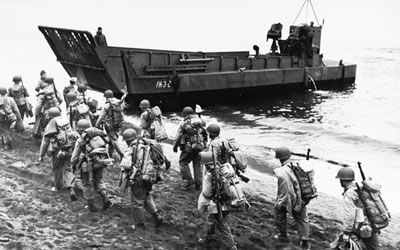
The First Deployed Naval Combat Demolition Unit
The Aleutian Islands Campaign. During early World War II, the Aleutian Islands were part of the United States Territory of Alaska.
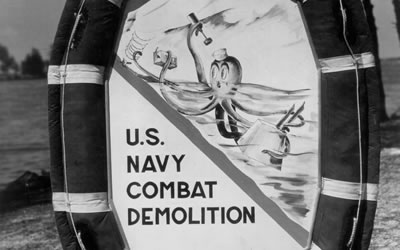
Origins of Naval Special Warfare-WWII
The origins of Navy SEALs actually began with specially organized maritime commando units during World War II, where legacy capabilities were adopted and remain embodied in today’s SEAL Teams.
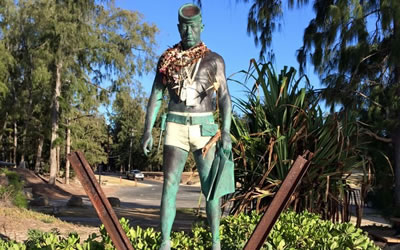
Naked Warrior
At a ceremony at Bellows Beach, Oahu, Hawaii on Veterans Day, November 11, 2014, a second Naked Warrior statue was dedicated to commemorate the establishment of the first Underwater Demolition Teams formed 71 years prior.
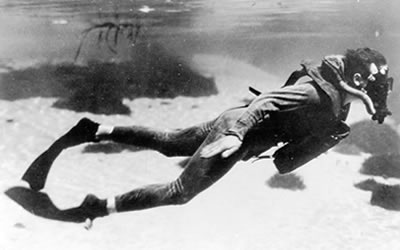
First Airborne Frogmen
Today, basic and advanced parachuting in the SEAL, SDV and SWCC Teams is routine and an accepted part of doing business. While the parachuting lineage of today’s Naval Special Warfare forces can be traced to the early 1950s, there was one unsung hero in World War II.
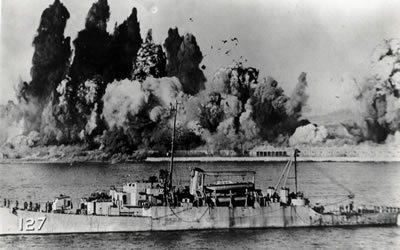
Underwater Demolition Teams in the Korean War
After World War II, the Underwater Demolition Teams next saw action during the Korean War, where these Navy Frogmen expanded their expertise in demolitions to innovate a variety of land capabilities now standard among modern commandos.
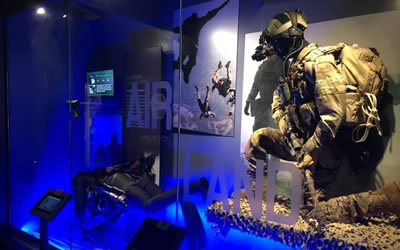
Genesis of the U.S. Navy’s SEAL Teams
It has been often printed that President John F. Kennedy directed establishment of the U.S. Navy’s SEAL Teams for activities in Vietnam; and, while that is a good urban legend, it’s not at all true.
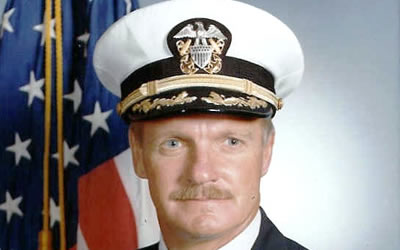
Before the First Mercury Splashdown
In 1958-1959, while I served as the Executive Officer, Underwater Demolition Team TWENTY-ONE, Navy Frogmen from Underwater Demolition Unit TWO (UDU-TWO) in Little Creek, VA supported NASA in two separate, long-forgotten and undocumented events.
By Captain Norm Olson, USN, Retired
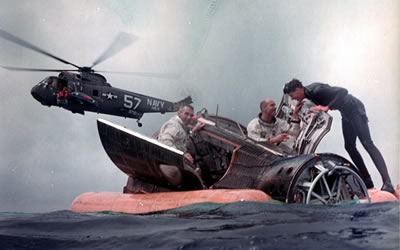
UDTs and the Space Flight Programs
Like most activities conducted by UDT between the wars, they went unnoticed and unrecognized. From the beginning of America’s manned space program in the late 1950s, NASA decided to utilize water landings for spacecraft and crews returning from their flights.
The Leap Frogs – Origins of the Navy SEAL Parachuting Exhibition Team
Freefall Parachuting is the art of exiting from an aircraft at a high altitude, stabilizing the body during a delayed fall, executing various maneuvers, safely opening the parachute and guiding the parachute so as to land on a specific target.
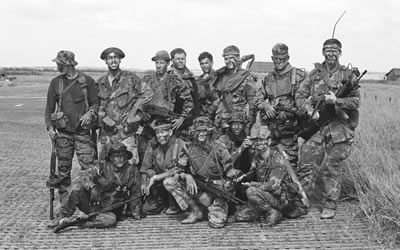
Vietnam – The Men With Green Faces
Shortly after being established in January 1962, SEAL Team ONE deployed CPO Robert Sullivan and CPO Charles Raymond to take initial surveys and make preparations for training indigenous South Vietnamese in the tactics, techniques, and procedures of maritime commandos.
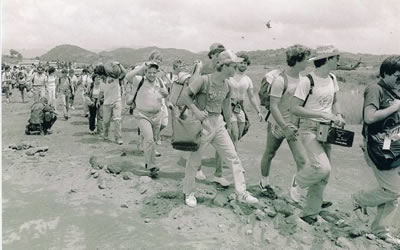
Navy SEALs in Grenada Operation URGENT FURY
In 1983, tensions between the U.S. and the tiny Island-nation of Grenada caused the U.S. to invade the island to ensure the safety of the U.S. citizens living there. SEAL Teams were attached to the U.S. forces to aid in the assault.

U.S. Navy SEALs and the Achille Lauro Mission
On October 7, 1985 four heavily armed Palestinian terrorists hijacked the ship in the Mediterranean Sea off the coast of Alexandria, Egypt. Some 320 crewmembers and 80 passengers were taken hostage.
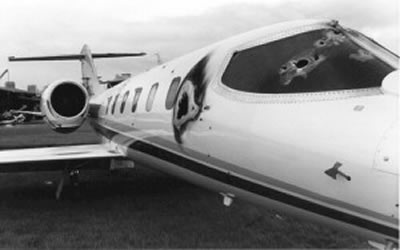
Operation JUST CAUSE: Navy SEALs in Panama
As a part of Operation JUST CAUSE, three SEAL Platoons were deployed on a mission to deny use of Panama’s Punta Paitilla Airfield to General Noriega and key Panamanian Defense Force (PDF) personnel.
Global War on Terror
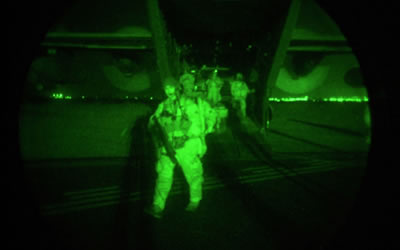
On September 11, 2001, commonly known as 9/11, nineteen terrorists from the Islamic extremist group al-Qaeda hijacked four airplanes and carried out suicide attacks against U.S. targets.
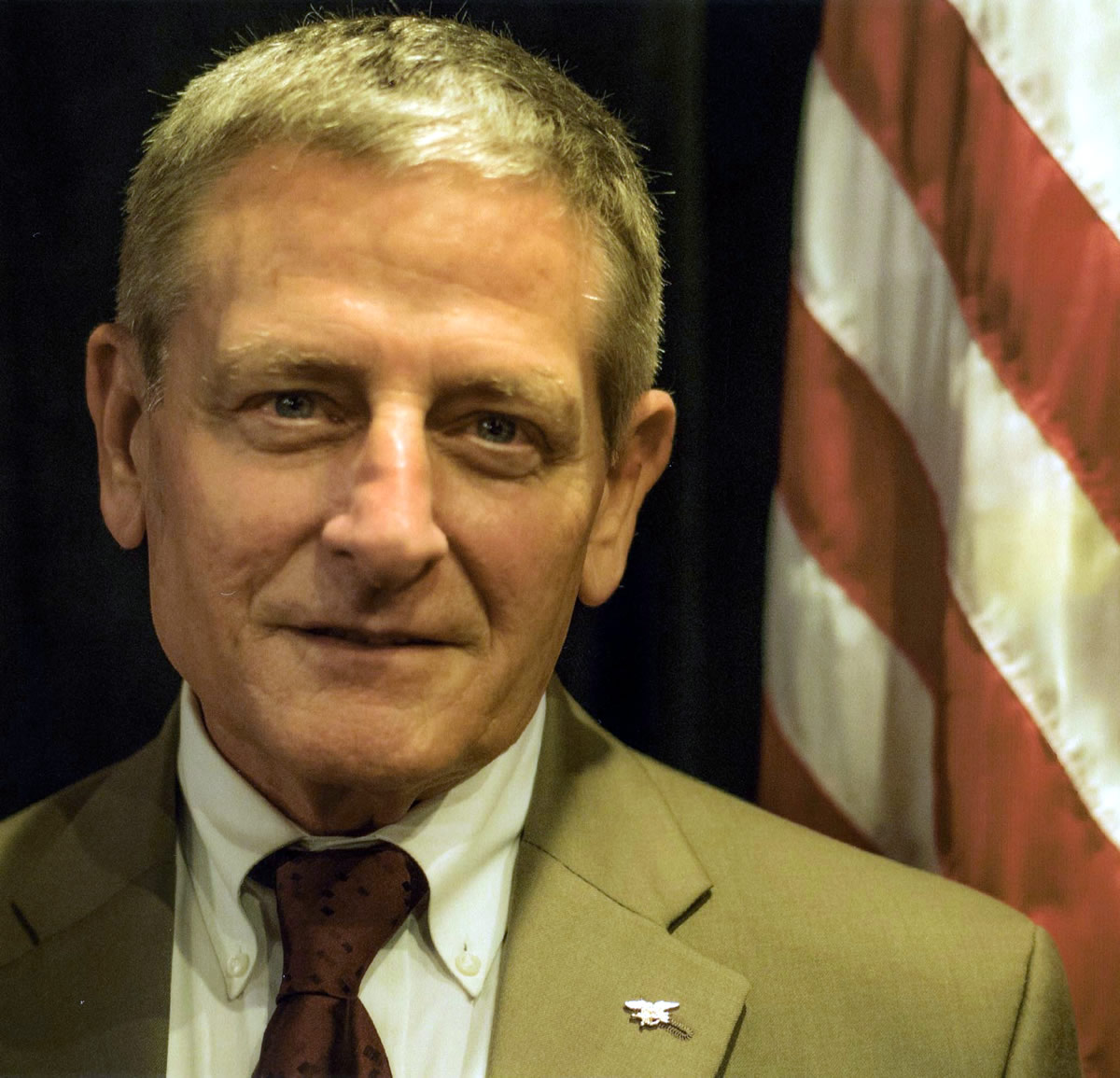
These special historical features are original contributions from Tom Hawkins, retired Navy SEAL. Mr. Hawkins has dedicated a great portion of his career to keeping precious written record of Frogman history, sharing his talent with the National Navy SEAL Museum for the educational benefit of all.
By CDR (SEAL) Tom Hawkins, USN (Ret.)
Tom Hawkins retired after 24 years as a career Navy SEAL officer. He completed operational tours in Underwater Demolition Team 21 and SEAL Team TWO and deployed to Vietnam as a Platoon Commander. He commanded UDT-22 for 33 months during the command’s reorganization as SEAL Delivery Vehicle Team TWO. After assignment as Chief Staff Officer NSW Group TWO, he served on the NSW staff in the Pentagon. At the time of his Navy retirement, he was Director, NSW Programs at the Naval Sea Systems Command in Washington, DC.
After leaving the Navy Tom served in various technical support positions related to NSW and the SEAL and Special Boat Teams. He served as an Acquisition and Requirements Analyst and Policy and Programs Advisor at NSW Group FOUR and NSW Development Group. He retired from NSWDG in May 2014.
Between 1995 and 2005 Tom served as president of the UDT-SEAL Association, president of the UDT-SEAL Memorial Park Association, and on the BoD at the UDT-SEAL Museum Association. In the year 2000 he was founding president of the Navy SEAL Foundation and its Director of History and Heritage. From 1994 until 2007, he was editor of the UDT-SEAL Association’s quarterly magazine “The BLAST: The Journal of Naval Special Warfare.”
Tom was featured in the PBS documentary “Untold Story of the U.S. Navy SEALs,” the History Channel’s “Navy SEALs: America’s Secret Warriors,” and contributed five chapters to the tabletop book “United States Naval Special Warfare: U.S. Navy SEALs.” His books include: “The History and Heritage of U.S. Navy SEALs,” published by the Pritzker Military Museum and Library in Chicago; “America’s Hidden Heroes: The History and Evolution of U.S. Navy Frogmen and SEALs;” “Air Capabilities of U.S. Navy SEALs: A History of Innovation,” with SEAL Captain Norm Olson; and “Sea Capabilities of U.S. Navy SEALs: An Examination of America’s Maritime Commandos,” published by Phoca Press.